

 Facebook
 X
X
 Pinterest
 Copy Link
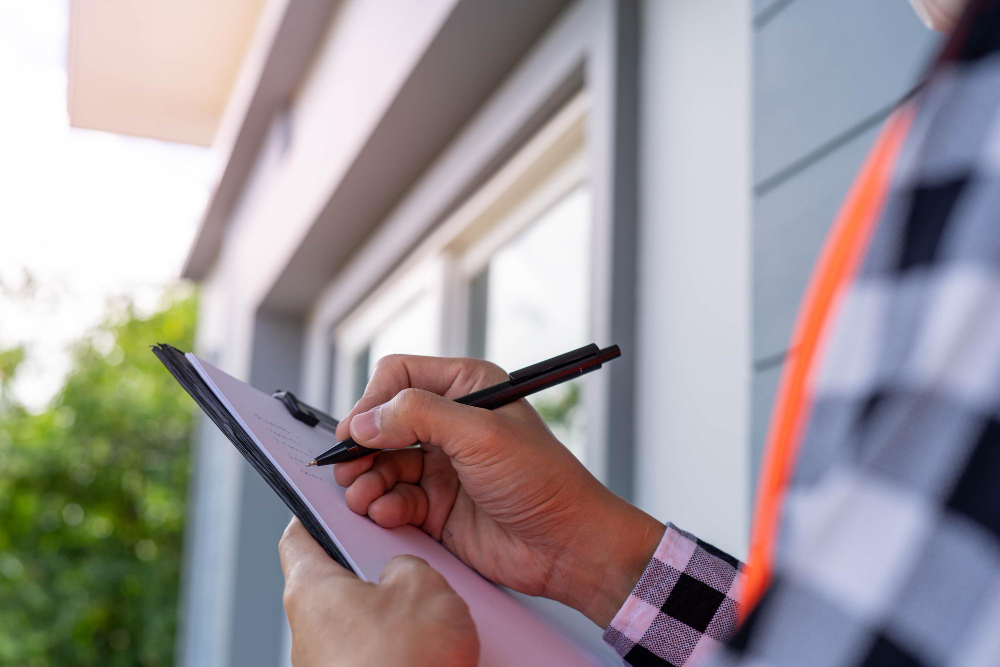
You’ve navigated the offers, inspections, and mountains of paperwork. Now, the finish line is in sight: closing day. But before you get the keys to your new home, there’s one last, crucial step—the final walk-through. This is your last opportunity to ensure the property is in the condition you agreed upon. Think of it as a final check-in to protect your investment and ensure a smooth transition into homeownership.
This guide will walk you through what to expect, what to look for, and how to handle any issues that may arise. We’ll cover everything from verifying repairs to testing systems so that you can approach your final walk-through with confidence.
What is a Final Walk-Through?
A final walk-through is precisely what it sounds like: a last chance for you and your agent to visit the property before the closing appointment. It typically takes place 24 to 48 hours before you sign the final documents. The purpose is not to conduct a new inspection or renegotiate the contract, but to confirm that the home is in the same condition it was in when you agreed to buy it and that all contractual obligations have been met.
This step is essential. It protects you from any surprises after the sale is complete, when resolving issues becomes much more difficult and costly.
The Walk-Through Checklist: What to Focus On
Going into the walk-through with a plan is the best way to ensure you don’t miss anything. While every home is different, there are several key areas you should always examine.
1. Check for Completed Repairs
If your purchase agreement included seller-paid repairs following the home inspection, the final walk-through is your chance to verify they were done correctly.
- Bring the paperwork: Have a copy of the repair agreement or addendum with you.
- Inspect the work: Carefully examine each repaired item. Look for signs of quality workmanship. For example, if a leaky faucet was fixed, turn it on and check underneath the sink for any drips.
2. Test Appliances and Systems
Don’t assume everything is working just because it was a few weeks ago. Take the time to test all major systems and appliances that are included in the sale.
- HVAC: Turn on the heat and air conditioning, even if it’s for just a few minutes, to ensure both are functioning.
- Plumbing: Run all faucets (hot and cold), check for water pressure, and look for leaks under sinks. Flush every toilet.
- Electrical: Flip every light switch on and off. Test a few outlets with a phone charger or a small outlet tester to confirm they have power. Don’t forget ceiling fans, garage door openers, and the doorbell.
- Appliances: Run the dishwasher for a few minutes, turn on the stove burners, and check the oven. Ensure the refrigerator and freezer are cold. Test the garbage disposal, microwave, and any other included appliances.
3. Verify Property Condition
The seller is generally required to leave the property in “broom-swept” condition, meaning all personal belongings, furniture, and trash have been removed and the floors have been swept.
- Look for damage: Check walls, floors, and ceilings for any new damage that may have occurred during the move-out process, such as scuffs, scratches, or holes.
- Confirm included items are present: Your contract specifies which items are included in the sale (e.g., specific light fixtures, window treatments, or appliances). Make sure nothing has been swapped out or removed.
- Check outside: Walk around the exterior of the property. Ensure that any agreed-upon landscaping remains intact and that no debris or trash is left behind.
4. Ensure the Home is Vacant and Clean
The home should be empty of all the seller’s personal property. Open all closets, cabinets, and storage spaces—including the attic, basement, and garage—to make sure they are clear. While the standard is “broom-swept,” some sellers will leave the home in a much cleaner condition. However, your primary concern is that it’s empty and free of debris.
What to Do If You Find an Issue
Finding a problem during the final walk-through can be stressful, but it’s essential to remain calm. This is why you have a real estate agent by your side.
First, document everything. Take photos or videos of any issues you discover. Then, immediately notify your agent. We will contact the seller’s agent to discuss the problem and determine a solution.
Depending on the issue, there are a few common outcomes:
- Delay closing: For significant issues, it may be necessary to delay the closing until the seller resolves the problem.
- Hold back funds: An agreement can be made to hold a portion of the seller’s proceeds in an escrow account until the repair is completed after closing.
- Negotiate a credit: The seller may agree to provide you with a credit at closing to cover the cost of the repair yourself.
The goal is to find a fair and reasonable solution that allows the closing to proceed without leaving you responsible for unexpected costs.
Your Final Step Before Homeownership
The final walk-through is a vital part of the home-buying process. It’s your last chance to ensure you are getting precisely what you paid for. Remember to bring your contract, the repair agreement, a notepad, a phone for photos, and a checklist to keep you on track.
As your agent, I will be there with you every step of the way, helping you check every detail and addressing any concerns that arise. Communicating promptly is key. By being thorough and proactive, you can sign your closing documents with peace of mind and be ready to enjoy your new home. Call me today! Kim Shaw 928-710-9148


